Lift Your Voices All the Time
Guest Contributor Kevin P. Henry
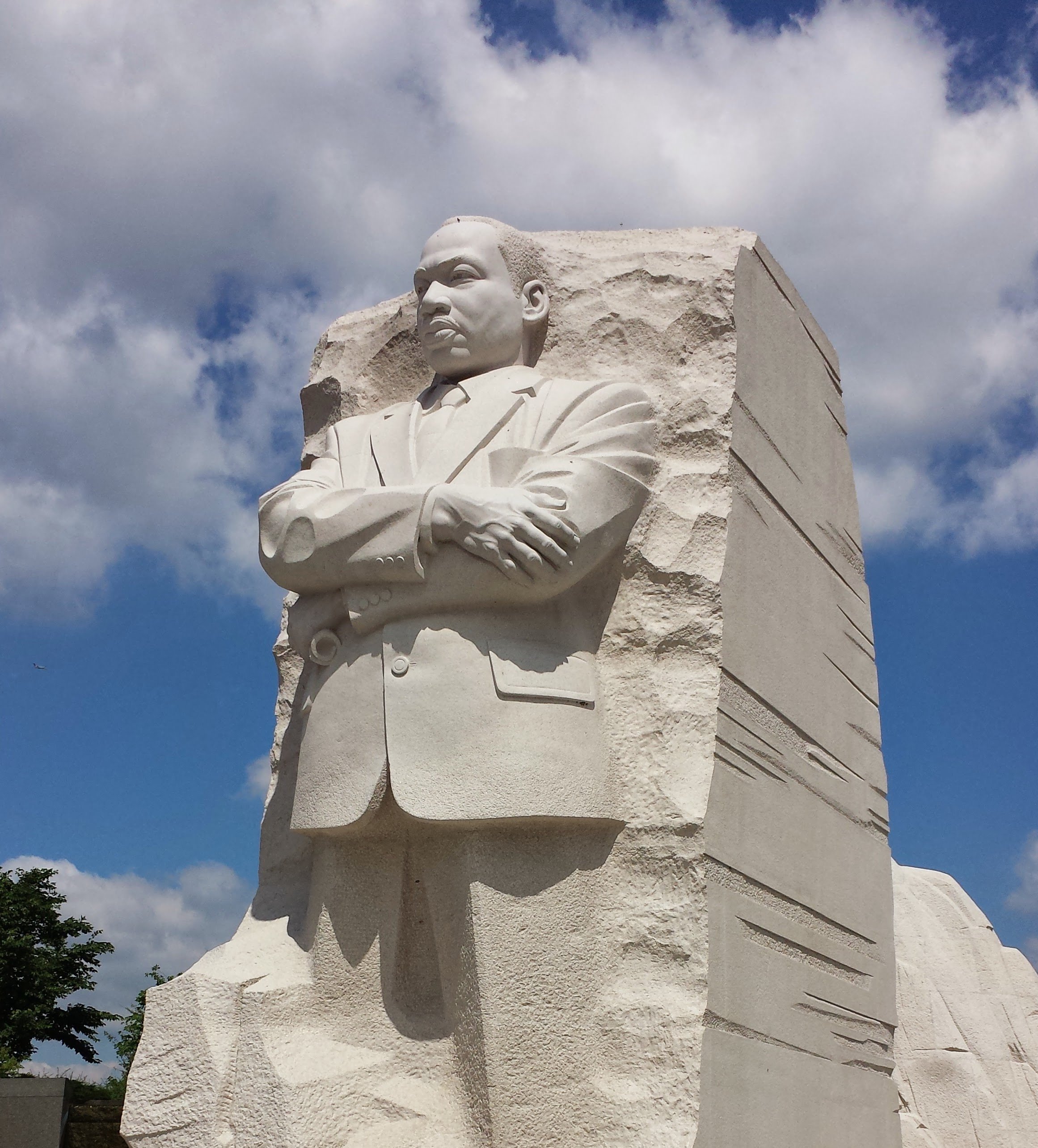
As Black History Month and the holiday honoring Martin Luther King Jr. approach, it is imperative that we use our voices to underscore a difficult but undeniable truth: there is still much progress to be made in achieving racial equity and healthy race relations in this country.
The past year has made clear that hate has not disappeared—it has merely changed its appearance and tactics. We are witnessing renewed efforts to silence uncomfortable truths, to sanitize history, and to marginalize voices that call for justice. There are forces at work that would just as soon ban or diminish Dr. King’s message, stripping it of its moral urgency and reducing it to a harmless slogan. The same resistance shows up in attempts to suppress the performance and recognition of the Black National Anthem at prominent events.
These efforts are not accidental. They reflect an ongoing discomfort with confronting the undeniable legacy of racism and the responsibilities that come with acknowledging it. Remembering Dr. King is not about nostalgia; it is about accountability. Honoring Black history is not about symbolism alone—it is about recognizing how the past shapes the present and committing ourselves to a more just future.
As we observe this season of remembrance and reflection, silence is not an option. To honor Dr. King’s legacy and the struggles that came before us, we must continue to speak, to educate, and to act—especially when doing so is inconvenient or contested. Progress has always required courage, and that truth remains unchanged today.
Expect the Black National Anthem Controversy at the 2026 Super Bowl
If it were not for the ways life unfolded for Black Africans in American history— enslavement, segregation, racial terror, murder, exclusion, and the systematic denial of rights—there would be no need for a separate Black National Anthem.
The song Lift Every Voice and Sing was not created to divide Americans. It emerged because Black Americans were excluded from the promises of freedom, equality, and citizenship that the nation claimed for itself. When the official symbols of America failed to reflect Black humanity, Black communities created their own expressions of hope, faith, resistance, and survival.
The existence of a Black National Anthem is not an act of separation—it is a response to historical and ongoing exclusion. It is a testament to resilience in the face of oppression and a reminder that unity cannot be demanded without justice. You cannot ask people to stand under one banner while denying them full protection beneath it.
Rather than asking why such a song exists, the more honest question is what conditions made it necessary. Until those conditions are fully addressed, the anthem remains not only relevant, but essential.
Leadership Eastside believes in lifting up the voices of community leaders engaged in this critical work. Kevin Shared this with us on January 12, 2026. Kevin P. Henry has worked in the Diversity-Equity-Inclusion, trauma-informed education, media, communications, and training fields for over 30 years. He has extensive experience as a journalist, voice actor, and writer. Currently, he works for the private and public sectors, businesses, organizations, and nonprofits. Kevin utilizes an array of skills to meet the needs of clients, which include strategic planning, training, facilitation, and writing.
Learn more at: Kevin P. Henry - KPH Media LLC | Diversity Equity and Inclusion